No athlete wants to spend more time on the sidelines than necessary. Whether you train competitively, stay active in the gym, or play recreational sports, injuries can interrupt momentum and affect the way your body performs. Some patients notice lingering soreness that never fully resolves. Others struggle with recurring injuries, mobility restrictions, or slower recovery between workouts.
At North Texas Musculoskeletal Medicine, our sports medicine approach focuses on movement, recovery, and long-term performance. Through regenerative medicine and Osteopathic Manipulative Medicine, we help active patients support healing, improve movement quality, and return to activity with greater confidence.
Find out if non-surgical sports medicine treatment is right for you.
Common sports medicine conditions include:
- Rotator cuff injuries
- Labral injuries
- Tennis elbow
- Golfer’s elbow
- Tendonitis
- Muscle strains
- Ligament sprains
- Meniscus injuries
- Runner’s knee
- Achilles tendonitis
- Shin splints
- Hip flexor injuries
- Sports-related back pain
Common symptoms may include:
- Pain during activity
- Lingering soreness
- Reduced range of motion
- Joint instability
- Tightness or stiffness
- Weakness during lifting or training
- Pain that returns after activity
- Slower recovery between workouts
- Swelling
- Sharp pain with explosive movement
- Recurrent injuries in the same area
Treatments for Sports Injuries
Regenerative Procedures
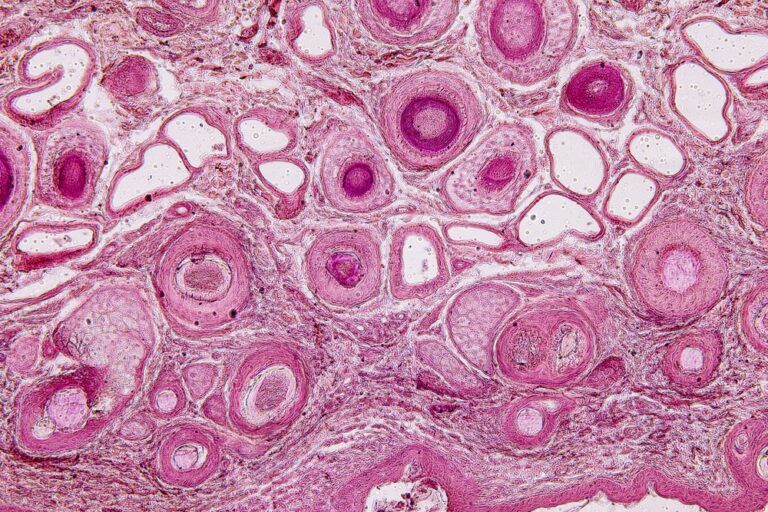
Regenerative medicine focuses on supporting tissue repair, recovery, and long-term performance.
PRP for Sports Injuries
PRP uses concentrated platelets from your blood to support healing and reduce inflammation in damaged tendons, ligaments, muscles, and joints. PRP may be considered for overuse injuries, tendon irritation, and chronic sports-related pain. Learn more.
Stem Cell Therapy / BMAC
Stem cell therapy and BMAC use cells and growth factors from bone marrow to support tissue repair and recovery. These procedures may be considered for more advanced injuries and chronic degeneration related to repetitive athletic stress. Learn more.
Prolotherapy
Prolotherapy uses targeted injections to stimulate healing and strengthen weakened connective tissue. It may be considered for ligament instability and recurring sports injuries. About prolotherapy.
ESW / EMTT
ESW and EMTT use non-invasive energy-based technology to stimulate healing, improve circulation, and support recovery in chronically irritated soft tissues. Learn more.
Osteopathic Manipulation
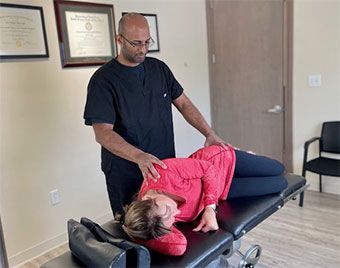
Osteopathic Manipulative Medicine (OMM) to evaluate movement patterns, mobility restrictions, and structural compensation throughout the body. Athletes often develop subtle movement restrictions from repetitive training, overuse, or incomplete recovery. These dysfunctions may affect range of motion, muscle activation, and overall performance even when imaging appears normal.
Natural Healing
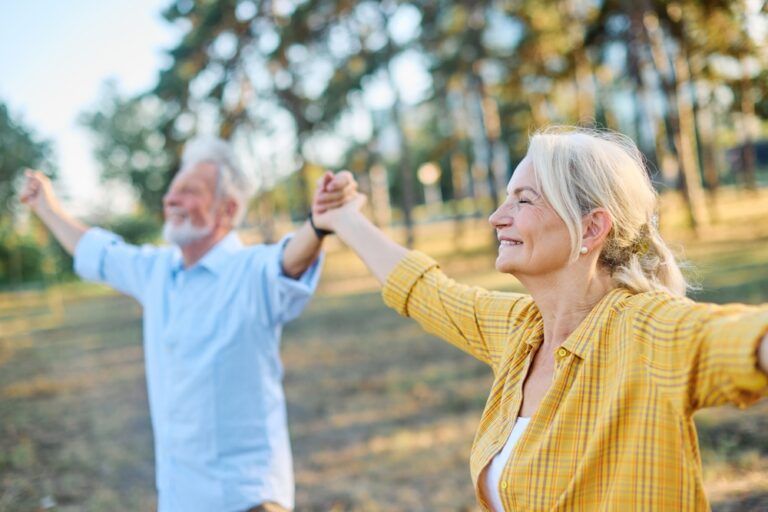
Conservative treatment may include rehabilitation guidance, mobility work, supportive exercise, recovery planning, and activity modification when appropriate.
Dr. Dennis E. Minotti, DO is our lead regenerative medicine provider and has treated more than 8,000 musculoskeletal cases. He works with athletes and active patients dealing with chronic injuries, overuse conditions, and movement limitations that interfere with performance and recovery. Treatment plans are personalized based on the injury, training demands, and long-term athletic goals.
Many athletes seek treatment because they want to stay active, recover more effectively, and avoid longer periods away from training. Regenerative medicine and osteopathic care may help support healing while keeping long-term movement and durability in mind.
Contact Us
Recover stronger and get back to peak performance.
Learn whether regenerative medicine and osteopathic care may help restore mobility without surgery. Call 817-416-0970 today.
Why Sports Injuries Often Keep Returning
Athletes place repeated stress on the same muscles, joints, tendons, and ligaments during training. When tissue does not fully recover, small areas of irritation may continue building over time.
The body also adapts around pain. Some athletes unconsciously shift movement patterns to protect an injured area. That compensation may place added stress on surrounding structures and increase the risk of recurring injuries.
Performance, Recovery & Movement Quality
Sports medicine is not only about pain relief. Many active patients want to move efficiently, recover faster, and maintain confidence during training and competition.
At our practice, Dr. Rijo Philip, DO evaluates movement quality, mobility restrictions, and compensation patterns that may affect performance. Improving movement efficiency may help reduce stress on the body and support more consistent recovery over time.
Can Sports Injuries Heal Without Surgery?
Some sports injuries may improve with conservative care, regenerative medicine, rehabilitation, and osteopathic treatment when appropriate.
Treatment recommendations depend on tissue health, severity of injury, training demands, recovery goals, and overall movement quality.
What to Expect During Your Evaluation
Your visit begins with a detailed discussion about symptoms, training history, activity level, prior injuries, and recovery concerns. Dr. Minotti and Dr. Philip evaluate mobility, stability, movement mechanics, tissue irritation, and structural compensation contributing to pain and performance limitations.
Ultrasound evaluation may also be used to assess tendons, ligaments, and soft tissue structures in real time.
Personalized Treatment Planning
Every athlete has different goals. Some patients are preparing for competition. Others want to continue lifting, running, golfing, or staying active without recurring setbacks.
Treatment recommendations may include PRP, stem cell therapy, prolotherapy, ESW/EMTT, rehabilitation guidance, or Osteopathic Manipulative Medicine depending on the injury and long-term performance goals.
Goals of Non-Surgical Sports Medicine Treatment
Treatment goals may include improving recovery, restoring movement quality, supporting tissue healing, and helping athletes return to activity with greater confidence.
For some active patients, regenerative medicine and Osteopathic Manipulative Medicine may also help improve mobility, reduce recurring flare-ups, and support long-term durability during training and competition.
Outcomes vary depending on the injury, tissue involved, activity level, and recovery demands.
Risks of Playing Through Injury
Many athletes continue training despite pain or irritation. In some cases, repetitive stress and incomplete recovery may continue affecting tissue health over time.
Early evaluation and proper treatment may help reduce the risk of chronic irritation, compensation patterns, and recurring injuries that become more difficult to manage later.
Why Active Patients Explore Non-Surgical Sports Medicine
Athletes and active adults often want treatment options that support recovery without immediately stepping away from training completely. Many patients are looking for ways to stay consistent, recover more efficiently, and avoid the cycle of recurring injuries.
Non-surgical sports medicine focuses on helping active patients continue moving forward while supporting long-term tissue health and performance.
Risks of Repeated Cortisone Injections
Corticosteroid injections may temporarily reduce inflammation and pain. However, repeated use may raise concerns regarding tendon weakening, cartilage damage, connective tissue health, and long-term joint stability.
At our practice, treatment planning focuses on supporting tissue healing, movement quality, and long-term shoulder function whenever appropriate.
Sports Medicine FAQs
What is sports medicine?
Sports medicine focuses on treating injuries related to athletics, exercise, movement, and repetitive physical activity.
Can PRP help sports injuries?
PRP may help support healing and reduce inflammation in certain tendon, ligament, and overuse injuries.
Why does my injury keep coming back?
Recurring injuries may be related to repetitive strain, incomplete recovery, compensation patterns, or underlying movement dysfunction.
Can regenerative medicine help athletes recover faster?
Recovery timelines vary, but regenerative medicine may help support tissue healing and recovery in certain sports-related injuries.
What injuries are most common in athletes?
Common sports injuries include tendonitis, strains, sprains, instability, overuse injuries, and repetitive stress conditions.
Do I need surgery for a sports injury?
Not always. Some injuries improve with rehabilitation, regenerative medicine, osteopathic treatment, and activity modification depending on severity.
What is overtraining?
Overtraining happens when the body does not fully recover between workouts or periods of activity. This may increase irritation and injury risk over time.
Can ESW / EMTT help sports injuries?
ESW and EMTT may help stimulate healing and reduce chronic soft tissue irritation in certain sports-related injuries.
How long does PRP take to work for sports injuries?
Recovery timelines vary depending on the injury, tissue involved, and training demands.
Can sports medicine help prevent future injuries?
Improving movement quality, recovery, stability, and training balance may help reduce stress on the body and lower reinjury risk.
Helping DFW Athletes & Active Patients
We regularly work with athletes and active patients throughout Dallas–Fort Worth who want to continue training, competing, and staying active without ongoing setbacks. Many come to us after months of lingering irritation, recurring injuries, or recovery that never feels complete.
Sports injuries can become frustrating when your body no longer feels as strong, mobile, or reliable during training. Whether you are dealing with recurring pain, slower recovery, or injuries that keep returning, our team can help you explore non-surgical treatment options focused on healing, movement quality, and long-term athletic performance.