Elbow pain can make everyday activities difficult, from lifting and gripping to working, exercising, and playing sports. Many patients struggle with pain that never seems to fully heal, especially after repetitive strain, overuse, or years of physical activity.
At North Texas Musculoskeletal Medicine, Drs. Dennis E. Minotti, DO and Rijo Philip, DO provides non-surgical treatment options for elbow pain using regenerative medicine and osteopathic care. Our goal is to reduce pain, improve function, and help patients return to work, exercise, and daily activities with greater comfort and stability.
Common shoulder conditions include:
- Tennis elbow
- Golfer’s elbow
- Tendonitis
- Tendinosis
- Ligament injuries
- Arthritis
- Nerve irritation
- Repetitive stress injuries
Many shoulder conditions involve irritation or damage to connective tissue that does not always heal efficiently on its own.
Common symptoms may include:
- Pain with gripping or lifting
- Weak grip strength
- Forearm tightness or burning pain
- Stiffness around the elbow
- Pain during exercise or sports
- Tenderness along the tendons
- Swelling or inflammation
- Pain that radiates into the forearm or wrist
- Difficulty carrying objects
- Pain that returns with repetitive activity
Elbow Pain Treatments
Regenerative Procedures
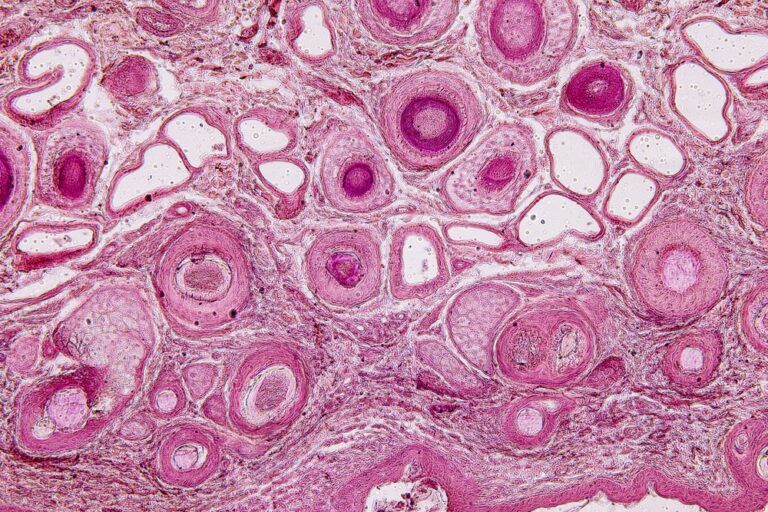
Regenerative medicine focuses on supporting the body’s natural healing response in damaged or chronically irritated tissue.
PRP for Elbow Conditions
Concentrated platelets from your blood are used to support healing and reduce inflammation in irritated elbow tendons and overuse injuries such as tennis elbow and golfer’s elbow. Learn more.
Stem Cell Therapy / BMAC
Prolotherapy
ESW / EMTT
Non-invasive energy-based technology is used to stimulate healing, improve circulation, and support recovery in chronically irritated elbow tissue. Learn more.
Osteopathic Manipulation
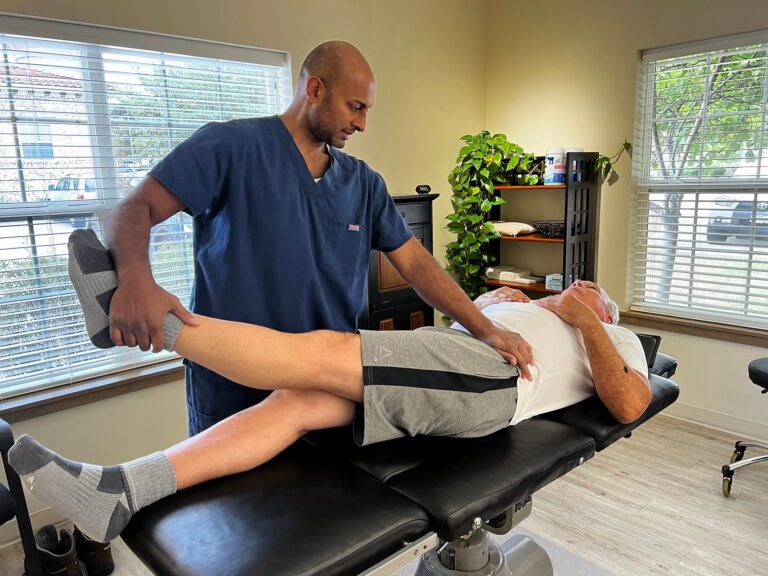
Osteopathic Manipulative Medicine (OMM) uses hands-on techniques to improve mobility, alignment, and movement patterns. Treatment may also address related strain involving the shoulder, wrist, neck, and upper back.
Improving overall mechanics throughout the arm may help reduce stress on irritated elbow structures.

Natural Healing
Conservative treatment may include activity modification, rehabilitation guidance, supportive exercise, bracing, and reducing repetitive strain when appropriate.
If conservative treatment has not provided lasting relief, a more active healing approach may be considered.
Contact Us
Get Treatment for Your Elbow Pain
Why Elbow Pain Often Becomes Chronic
Elbow pain often becomes chronic because tendon tissue has limited blood flow and may heal slowly after repetitive strain or overuse.
Many patients continue working, lifting, training, or repeating the same movement patterns while the tissue remains irritated. Over time, repeated stress may lead to chronic inflammation, tendon degeneration, weakness, and recurring pain.
Temporary relief may reduce symptoms for a short period, but it may not fully address the underlying tissue damage contributing to long-term pain.
Tendon Damage & Overuse
Many chronic elbow conditions involve degeneration within the tendon rather than simple inflammation alone. Repetitive stress can create small areas of tissue breakdown over time, especially when the elbow is repeatedly exposed to gripping, lifting, throwing, or repetitive motion.
This is one reason elbow pain may continue returning even after rest, medications, or temporary symptom relief.
Can Elbow Tendonitis Heal Without Surgery?
Some cases of elbow tendonitis may improve with conservative treatment, activity modification, rehabilitation, osteopathic care, and regenerative medicine procedures when appropriate. Treatment recommendations depend on the severity of tissue damage, duration of symptoms, activity level, and long-term goals.
What to Expect During Your Evaluation
Your visit begins with a detailed discussion about symptoms, work activities, sports participation, prior injuries, and treatment history. Dr. Minotti also evaluates grip strength, range of motion, movement patterns, tendon irritation, and joint stability to better understand the source of pain.
Ultrasound evaluation may also be used to assess tendons and soft tissue structures in real time.
Personalized Treatment Planning
Treatment recommendations depend on tissue health, inflammation, repetitive strain patterns, and prior response to conservative care. Dr. Dennis E. Minotti discusses whether rehabilitation, Osteopathic Manipulative Medicine, PRP, stem cell therapy, prolotherapy, ESW/EMTT, or other regenerative medicine options may be appropriate.
Recovery timelines, activity modifications, and return-to-work or return-to-sport expectations are also reviewed during the consultation process.
Risks of Repeated Cortisone Injections
Corticosteroid injections may temporarily reduce inflammation and pain. However, repeated use may raise concerns regarding tendon weakening, cartilage damage, connective tissue health, and long-term joint stability.
At our practice, treatment planning focuses on supporting tissue healing, movement quality, and long-term shoulder function whenever appropriate.
Elbow Pain FAQs
What causes elbow pain when lifting?
Elbow pain with lifting is commonly linked to tendon irritation, repetitive strain, overuse injuries, or chronic inflammation involving the tendons around the joint.
What is tennis elbow?
Tennis elbow is a condition involving irritation and degeneration of the tendons along the outside of the elbow. It commonly develops from repetitive gripping, lifting, or wrist movement.
Can PRP help tennis elbow?
PRP may help reduce pain and support healing in some patients with chronic tennis elbow by promoting the body’s natural healing response.
Why does my elbow pain keep coming back?
Recurring elbow pain may happen when damaged tendon tissue does not fully heal or when repetitive strain continues over time.
Can regenerative medicine help tendon injuries?
Some tendon injuries may respond to regenerative medicine depending on the severity of tissue damage and overall tissue health.
What is golfer’s elbow?
Golfer’s elbow involves irritation of the tendons along the inside of the elbow and may develop from repetitive gripping, lifting, throwing, or wrist flexion activities.
Can elbow tendonitis heal without surgery?
Many cases of elbow tendonitis improve with conservative treatment, rehabilitation, osteopathic care, and regenerative medicine procedures when appropriate.
How long does recovery take after PRP for the elbow?
Recovery timelines vary depending on the condition treated, activity level, and severity of tissue damage.
Do I need an MRI before regenerative treatment?
Not always. Some patients may benefit from MRI imaging, while others can be evaluated through physical examination, ultrasound, X-rays, and symptom history.
Does cortisone heal elbow injuries?
Cortisone may temporarily reduce inflammation and pain, but it does not repair damaged tendon tissue.
Helping DFW Patients
North Texas Musculoskeletal Medicine provides non-surgical elbow treatment for patients throughout the DFW area. We help active adults, athletes, and working professionals across North Texas explore personalized treatment options for elbow pain and repetitive strain conditions.
You do not have to wait until elbow pain limits your work, workouts, or daily activities. If pain, weakness, or repetitive strain has become more difficult to manage, our team can help you better understand your treatment options.
Schedule a consultation to see if regenerative elbow treatment is right for you.